Common Misconceptions About Bird Flight Diverters: What You Need to Know


Bird flight diverters are essential tools in wildlife conservation, yet there are several misconceptions surrounding their use and effectiveness. Understanding these misconceptions can help us appreciate their role in protecting avian species. In this post, we'll address some common misunderstandings about bird flight diverters and provide clarity on their purpose and function.
Misconception 1: Bird Flight Diverters Are Ineffective
A prevalent misconception is that bird flight diverters do not effectively prevent bird collisions with power lines. In reality, these devices are designed to enhance the visibility of wires, making it easier for birds to avoid them. Studies have shown that properly installed flight diverters can reduce collisions by up to 90%. This significant reduction highlights their importance in avian conservation efforts.
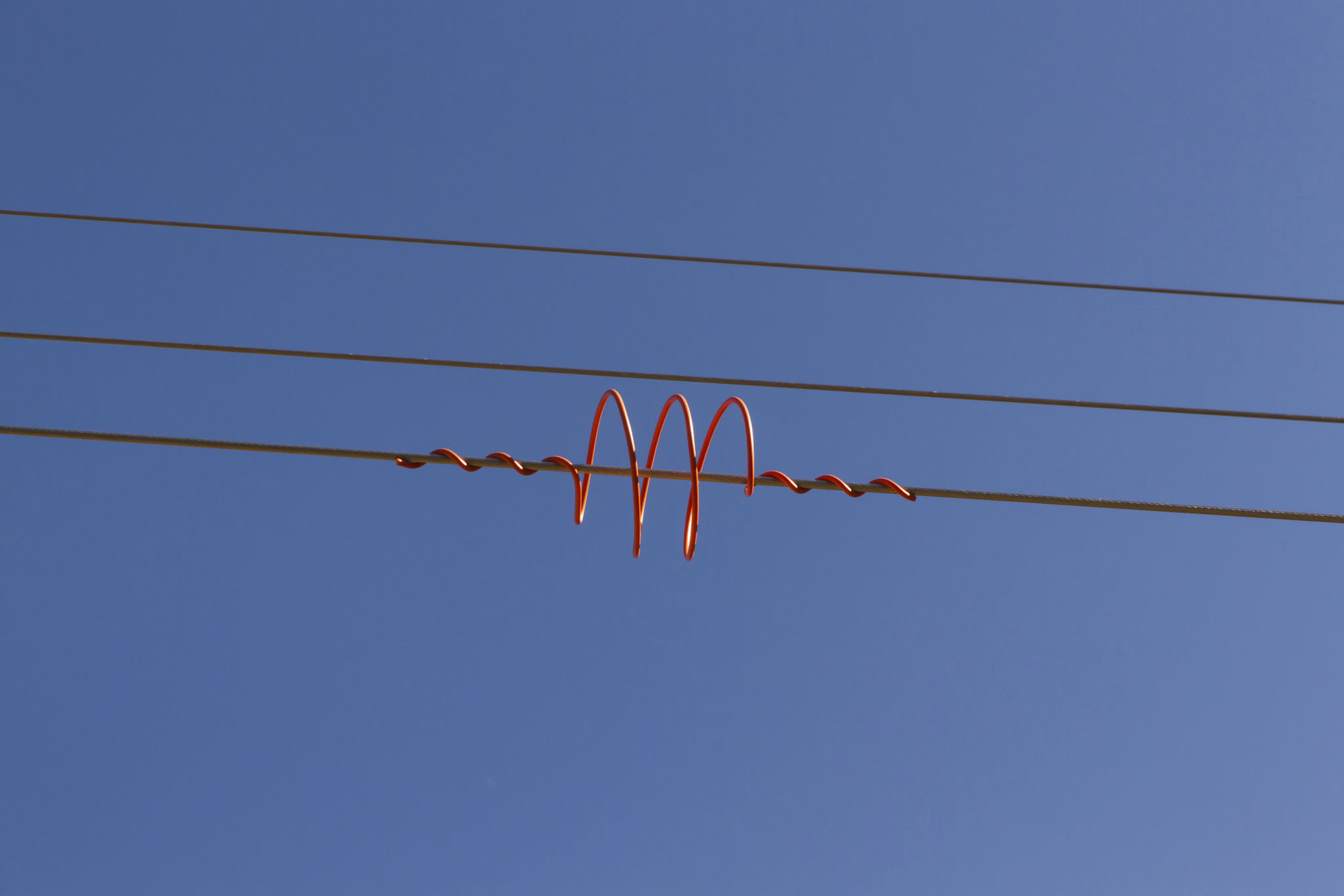
Misconception 2: Diverters Are Harmful to Birds
Another common belief is that flight diverters might harm birds by creating obstacles. However, these devices are carefully engineered to minimize any potential risks. Their primary purpose is to alert birds to the presence of power lines, and they are positioned in a way that does not obstruct natural flight paths. The materials used are lightweight and durable, ensuring that they do not pose a threat to avian safety.
How Diverters Work
Bird flight diverters operate by increasing the visibility of power lines, which are often difficult for birds to detect. They are usually brightly colored or reflective, catching the birds' attention from a distance. This simple yet effective solution plays a crucial role in preventing accidents, particularly for species with lower visual acuity.

Misconception 3: They Are Unnecessary in Urban Areas
Some people assume that bird flight diverters are only needed in rural or natural areas. However, urban environments also pose risks to birds, with power lines crisscrossing many cityscapes. Urban areas can be particularly hazardous due to the high density of structures and increased bird activity. Installing flight diverters in these locations is equally important to ensure bird safety.
Benefits Beyond Collision Prevention
Beyond preventing collisions, bird flight diverters contribute to broader ecological benefits. By reducing bird fatalities, they help maintain the balance of local ecosystems. This has positive ripple effects, such as supporting biodiversity and aiding in the conservation of threatened species.

Misconception 4: Installation and Maintenance Are Complicated
There's a notion that setting up and maintaining bird flight diverters is a complex and costly process. In reality, these devices are designed for ease of installation and require minimal maintenance. Many are installed using simple clamps and can be easily adjusted or replaced as needed. The long-term benefits of reduced bird collisions often outweigh the initial setup costs.
Choosing the Right Diverter
When selecting bird flight diverters, it's essential to consider factors such as the type of birds in the area and the specific conditions of the site. Consulting with wildlife experts can help determine the most effective diverter type for a particular location, ensuring maximum efficacy in collision prevention.
In summary, bird flight diverters are a vital tool in protecting avian species from collisions with power lines. By dispelling common misconceptions, we can better appreciate their role in conservation and make informed decisions about their implementation. Proper use of these devices not only saves bird lives but also supports the health of our ecosystems.